Weichai vs Cummins vs Yuchai: Which Chinese Truck Engine Is Best for Africa? (2026 Guide)
Trying to decide between Weichai vs Cummins Africa? You are not alone — it is the most common question we get from African buyers. Every importer wants to know in the Weichai vs Cummins Africa debate which engine actually performs better on local roads. This guide compares Weichai, Cummins, and Yuchai — the three main engine options in HOWO, Shacman, and FAW trucks — so you can find the best Chinese truck engine for Africa for your roads, load, and budget.
It’s the right question. The engine is the heart of any truck, and Chinese trucks come with three main engine options: Weichai, Cummins, and Yuchai. Each has strengths, weaknesses, and a sweet spot for different African road conditions.
This guide breaks down exactly what you need to know — power specs, fuel economy, parts availability across Africa, common issues, and which engine suits your specific hauling needs.
Which Engine Goes Into Which Truck?
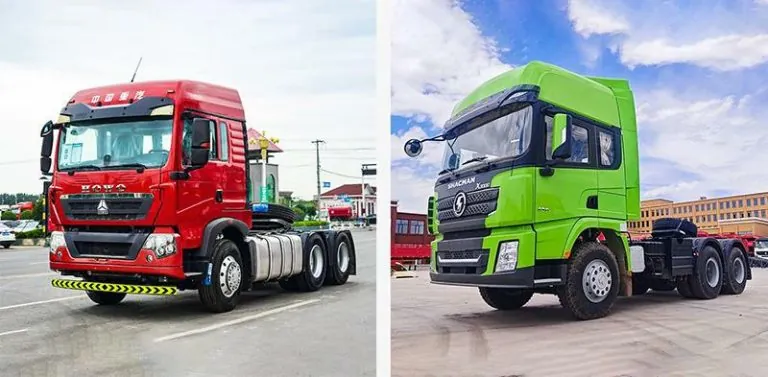
Before we dive into the Weichai vs Cummins Africa comparison, here is a quick overview of what you will find under the hood of popular Chinese trucks:
| Truck Brand | Common Engine(s) | Typical Power | Best For |
|---|---|---|---|
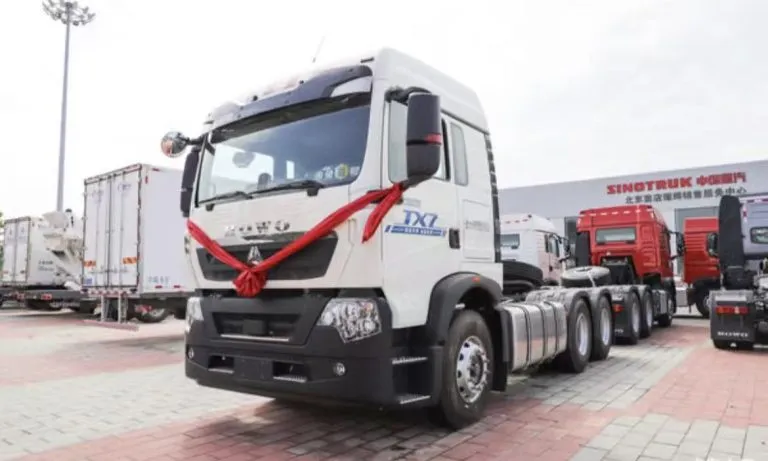
| HOWO (SINOTRUK) | Weichai WP series MC series (Sinotruk’s own) | 336–460 HP | Mining, heavy haulage |
| Shacman (Shaanxi) | Weichai WP series Cummins ISM/ISG | 336–440 HP | Construction, general freight |
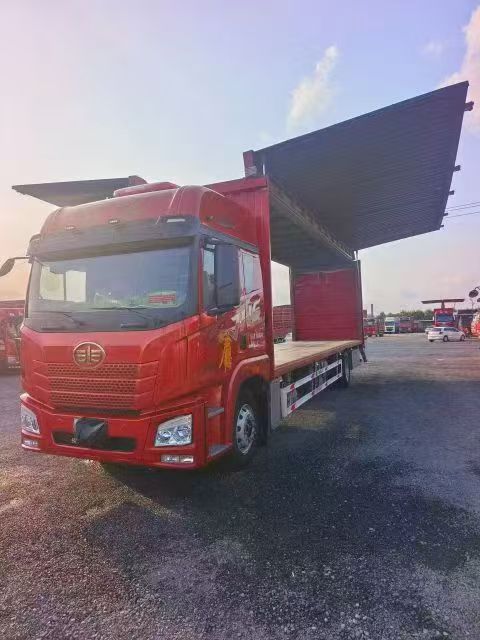
| FAW Jiefang | FAW own CA6DM/DL Weichai (some models) | 320–460 HP | Long-haul logistics |
| FOTON Auman | Cummins ISG/ISF Weichai (some models) | 260–400 HP | Logistics, light-heavy duty |
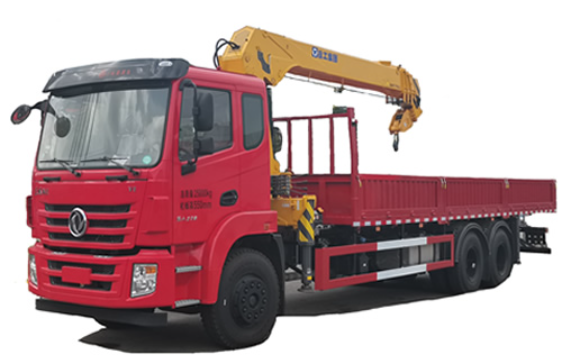
| Dongfeng | Cummins ISZ/ISD Yuchai (some models) | 260–420 HP | Box trucks, mixers |
Weichai Engines — The Backbone of Chinese Trucks
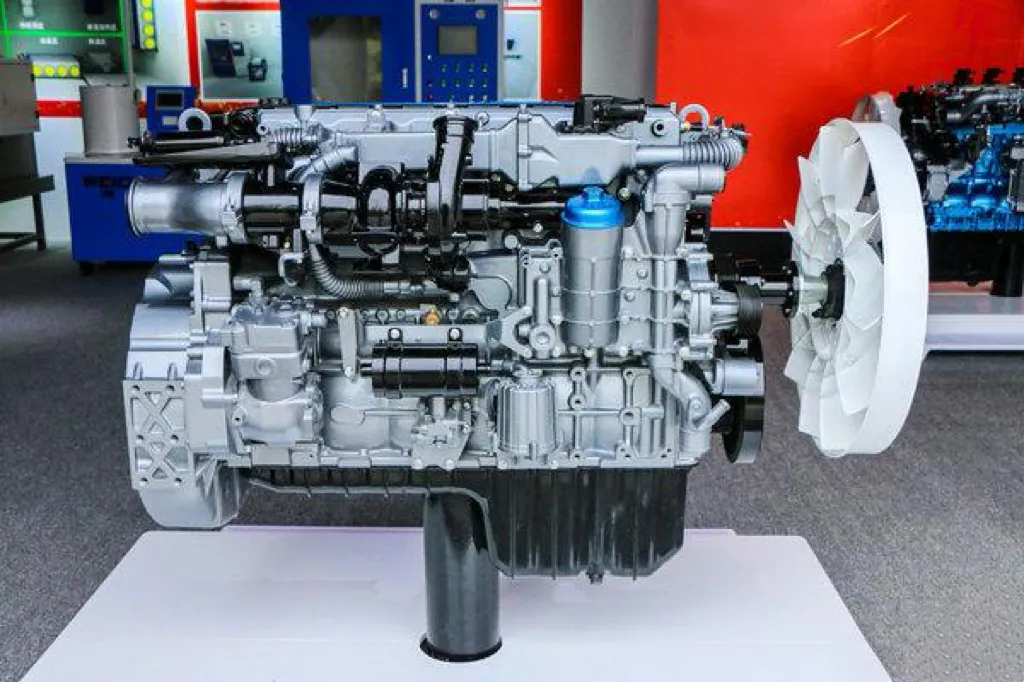
Weichai Power is China’s largest diesel engine manufacturer. You will find Weichai engines in the majority of used HOWO and Shacman trucks exported from China. They are also the default engine in many FAW and FOTON models. For factory specifications and the latest engine lineup, see the Weichai Power official website.
Key specs (WP10 / WP12 / WP13 series)
- Power range: 336 HP (WP10) to 550 HP (WP13)
- Torque: 1,500–2,500 Nm
- Displacement: 9.7L (WP10), 11.6L (WP12), 12.5L (WP13)
- Fuel system: Common rail, electronic control
- Emission: Euro 3 / Euro 5 (depending on year)
Weichai Pros for African buyers — why many choose Weichai vs Cummins Africa trucks
- Parts everywhere. Weichai parts are stocked in Lagos, Accra, Nairobi, Dar es Salaam, Johannesburg, and Dubai. You will rarely wait more than a week for spares.
- Tough and simple. Weichai engines tolerate lower-quality diesel better than European engines — crucial for remote mining sites.
- Easy to repair. Most local mechanics in Africa know how to work on Weichai engines. Parts and labor are affordable.
- Proven in mining. The WP12 is the go-to engine for 6×4 dump trucks working in Nigerian and Ghanaian mines.
Weichai cons
- Fuel economy is decent but not class-leading — expect 30–35L/100km loaded for a WP12.
- Older WP10 engines (pre-2015) can be noisy and vibrate more than Cummins equivalents.
Cummins Engines — The Global Standard
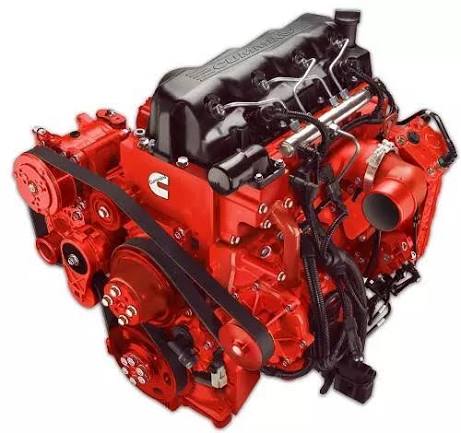
Cummins engines in Chinese trucks are mostly the ISM, ISG, and ISF series. They are licensed-built by Xi’an Cummins (a joint venture with Shacman’s parent company) and Dongfeng Cummins. For the full global engine lineup, see the Cummins official website.
Key specs (ISM / ISG series)
- Power range: 280 HP (ISF) to 440 HP (ISM)
- Torque: 1,200–2,100 Nm
- Displacement: 3.8L (ISF), 10.8L (ISM), 11.8L (ISG)
- Fuel system: Common rail, XPI high-pressure injection
- Emission: Euro 3 / Euro 5
Cummins pros for African buyers — the case for Cummins over Weichai in Africa
- Smoother and quieter. Cummins engines run noticeably smoother than Weichai equivalents, especially at highway speeds.
- Better fuel economy. The ISG series delivers roughly 28–33L/100km loaded — about 5–10% better than comparable Weichai engines on long hauls.
- Global parts network. Cummins has authorized service centers in most African capitals. Genuine parts are available but are more expensive than Weichai.
- Longer service intervals. Oil changes at 20,000 km vs 15,000 km for Weichai.
Cummins cons
- Parts cost 30–50% more than Weichai equivalents in Africa.
- More sensitive to fuel quality. Poor diesel with high sulfur content can damage injectors.
- Fewer local mechanics are trained on Cummins ECUs compared to Weichai, which can mean longer diagnostic times in remote areas.
Yuchai Engines — The Budget Option
Yuchai (Guangxi Yuchai Machinery Group) is China’s second-largest diesel engine maker. Their engines are less common in heavy-duty export trucks but appear in Dongfeng, FOTON, and some older Shacman models. For light trucks and buses, Yuchai is very popular. For the official product range, see the Yuchai official website.
Key specs (YC6L / YC6M series)
- Power range: 240 HP (YC6L) to 380 HP (YC6MK)
- Torque: 1,100–1,750 Nm
- Displacement: 8.4L (YC6L) to 10.3L (YC6MK)
- Fuel system: Common rail, electronic control
- Emission: Euro 3 / Euro 5
Yuchai pros
- Lowest purchase cost — trucks with Yuchai engines are typically cheaper.
- Good fuel economy on light to medium loads.
- Parts are cheap and widely available for light-duty applications in East Africa.
Yuchai cons
- Lower power and torque — not suitable for heavy mining or steep terrain.
- Less durable at high mileage. Many Yuchai units need an overhaul by 400,000 km, while Weichai and Cummins often run to 600,000–800,000 km before major work.
- Parts availability for heavy-duty models outside major cities can be spotty.
Weichai vs Cummins Africa: Head-to-Head Comparison
The Weichai vs Cummins Africa comparison below covers all the factors that matter for African buyers.
| Factor | Weichai | Cummins (China-built) | Yuchai |
|---|---|---|---|
| Durability | ⭐⭐⭐⭐ Excellent | ⭐⭐⭐⭐⭐ Outstanding | ⭐⭐⭐ Good (light duty) |
| Fuel economy | ⭐⭐⭐ Good | ⭐⭐⭐⭐ Very Good | ⭐⭐⭐⭐ Good (lighter loads) |
| Parts availability (Africa) | ⭐⭐⭐⭐⭐ Excellent | ⭐⭐⭐⭐ Good | ⭐⭐⭐ Moderate |
| Repair cost | ⭐⭐⭐⭐⭐ Cheap | ⭐⭐⭐ Moderate | ⭐⭐⭐⭐ Cheap |
| Parts cost | ⭐⭐⭐⭐⭐ Affordable | ⭐⭐⭐ Expensive | ⭐⭐⭐⭐ Affordable |
| Fuel tolerance | ⭐⭐⭐⭐⭐ Handles poor diesel | ⭐⭐⭐ Sensitive | ⭐⭐⭐⭐ Tolerant |
| Typical lifespan (before overhaul) | 600,000–800,000 km | 700,000–1,000,000 km | 350,000–450,000 km |
| Best use case | Mining, construction, heavy haulage | Long-haul, logistics, highway | Light truck, distribution, bus |
| Overhaul cost (typical) | $3,500–5,000 | $4,000–6,000 | $3,000–4,500 |
| Parts cost | Low | Moderate | Lowest |
FAW’s Own Engines — The CA6DM and CA6DL Series
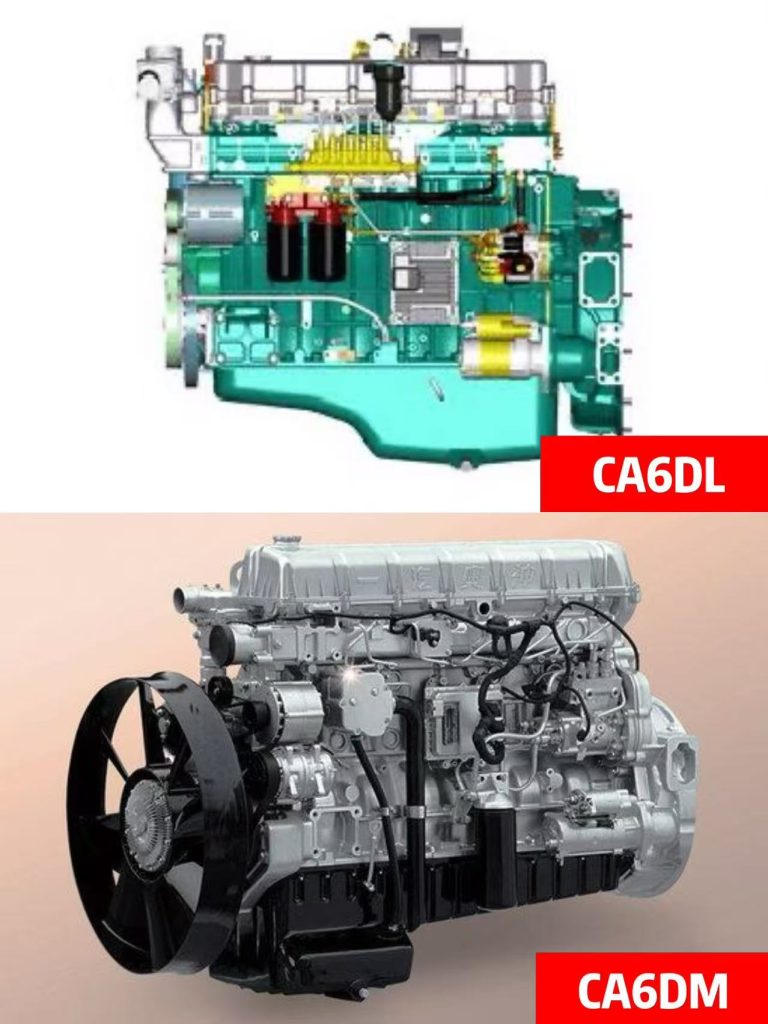
FAW uses its own CA6DM and CA6DL engines in most Jiefang trucks. These are O-Style (FAW’s own brand) engines, developed with technology from former partnerships. They are less common outside FAW trucks but are reliable when properly maintained.
- CA6DM2: 11L, 420–460 HP — comparable to Weichai WP12
- CA6DL: 8.6L, 320–350 HP — good for lighter applications
- Parts available through FAW dealerships in Africa, but fewer third-party stockists compared to Weichai
For a detailed breakdown of FAW trucks and their engines, see our complete FAW used trucks buyer’s guide.
Which Engine Should You Choose — By Use Case
For mining and heavy construction (Nigeria, Ghana, Zambia, DRC)
Choose: Weichai WP12 or WP13 in a HOWO 6×4 or Shacman 6×4 dump truck.
Mining demands raw torque, easy repairs, and tolerance to rough conditions. Weichai engines deliver all three. Parts are available in every mining town across West and Central Africa. The HOWO 371 with Weichai WP12 is the most popular dump truck in Nigerian mines for a reason.
For long-haul logistics (Kenya, Tanzania, Southern Africa)
Choose: Cummins ISM or ISG in a Shacman or FOTON tractor truck.
On paved highways like the Mombasa–Nairobi corridor or the North–South corridor, fuel economy matters most. Cummins engines deliver 5–10% better fuel economy than Weichai on long runs. Over 100,000 km per year, that adds up to thousands of dollars saved.
For mixed use (construction + highway)
Choose: Weichai WP12 or FAW CA6DM2 in a FAW J6 or HOWO tractor.
These engines offer a good balance of torque for off-road and fuel economy on the highway. FAW’s own engines are particularly smooth at highway speeds, though parts availability varies by country.
For light trucks and pickups
Choose: Cummins ISF or Yuchai YC4-series.
Light trucks don’t need a 12L engine. The Cummins ISF (3.8L) is excellent for box trucks and medium-duty applications. Yuchai engines are a solid budget option for routes with lighter loads.
Common Engine Problems to Check Before Buying a Used Truck
When inspecting a used truck in China — or reviewing a video inspection — pay attention to these engine-specific red flags:
- Blue smoke on startup — worn valve seals or piston rings (common on high-mileage Weichai WP10s)
- Black smoke under load — injector issues or turbo problems, especially on older Cummins ISM engines
- Oil leaks around the valve cover — gasket wear, straightforward but worth noting
- Unusual knocking sounds — potential bearing wear. Walk away if the engine sounds rough at idle
- Check engine light on — ask for the diagnostic code. Common on post-2017 trucks with emission controls
- Coolant discoloration — could indicate oil mixing with coolant (head gasket crack)
For a complete inspection checklist, read our guide on how to find a reliable supplier in China — it covers what to look for beyond just the engine.
Spare Parts Availability in Africa
One of the biggest concerns buyers have is whether they can get spare parts after the truck arrives. Here is the reality: every major Chinese truck brand has dealerships and parts distributors across Africa.
- Weichai parts: Readily available in Lagos, Accra, Kumasi, Nairobi, Mombasa, Dar es Salaam, Lusaka, Johannesburg, Harare, and Addis Ababa. Both genuine and aftermarket options exist.
- Cummins parts: Available through Cummins authorized dealers in most capitals. More expensive than Weichai, but genuine parts are of high quality. Aftermarket options are limited.
- FAW engine parts: Available at FAW dealerships. Third-party options are fewer, so check your local FAW dealer before buying.
For a detailed breakdown of part prices and where to buy, see our Chinese truck spare parts in Africa guide.
Weichai vs Cummins Africa: Final Verdict
When it comes to the Weichai vs Cummins for Africa decision, there is no single “best” engine. The right choice depends on your roads, your load, and your budget:
- Rough roads + mining + easy repairs → choose Weichai (HOWO or Shacman)
- Highway + fuel savings + smoother operation → choose Cummins (Shacman or FOTON)
- Budget + light duty → choose Yuchai or FAW’s own engine
Weichai engines are widely considered the most reliable Chinese truck engine, with many units running 500,000–800,000 km before major overhauls. Cummins (built under license by Foton and Dongfeng) also has excellent reliability.
Cummins engines (especially the ISG and X12 series) generally offer better fuel economy than Weichai, particularly for long-haul highway operations. Yuchai engines are also fuel-efficient but less powerful.
Weichai parts are widely available in Nigeria (Lagos), Ghana (Accra), Kenya (Nairobi), Tanzania, and South Africa. Cummins parts are available through Cummins’ global dealer network. Yuchai has more limited coverage.
Weichai engines are preferred for mining due to their higher torque output and proven durability in extreme conditions. The WP12 and WP13 series are popular choices for heavy mining operations.
With proper maintenance, Weichai and Cummins engines typically last 500,000–800,000 km before needing major work. Many units surpass 1,000,000 km with regular servicing.
Still unsure which truck and engine combination fits your business? Send us a message on WhatsApp — we will help you match the right truck to your specific routes and loads. We can also arrange a live video walkaround so you can see and hear the engine running before you commit.
→ Read the complete guide to importing used trucks from China
Engine Maintenance Tips — Making Your Engine Last Longer in African Conditions
African roads and fuel quality are tougher on engines than European or Chinese conditions. Here is how to keep your truck’s heart beating longer:
Use the right oil
Weichai engines work best with CI-4 or CK-4 grade diesel engine oil. Cummins engines specify CES 20078 or CES 20081 oil standards. Many cheap oils sold in African markets do not meet these specs. Stick to known brands — Shell Rimula, Mobil Delvac, or Total Rubia. Using the wrong oil causes carbon buildup and shortens engine life by tens of thousands of kilometers.
Fuel filtration is not optional
Common rail diesel engines (all Weichai WP series, all Cummins ISM/ISG, all modern Yuchai) have injectors that cost $80–$200 each to replace. A clogged injector from dirty fuel can cost you $1,000+ in repairs. Install an additional water separator if your local fuel source is unreliable. Change the fuel filter every 10,000 km — not the 20,000 km interval recommended for clean European diesel.
Let the turbo cool before shutting down
After a long haul, let the engine idle for 2–3 minutes before switching off. This prevents oil coking in the turbo bearings. A turbo replacement on a Weichai WP12 costs around $600–$900. On a Cummins ISM, it is $1,200–$1,800. Two minutes of idling saves you that cost.
Watch the coolant temperature
Chinese trucks are designed to operate in moderate climates. In 40°C+ African heat with heavy loads, cooling systems work harder. Check coolant levels daily. Replace the coolant every two years. If you consistently see temperatures above 95°C under load, consider a radiator upgrade or additional cooling fan.
How to Check Engine Condition During a Video Inspection
When your supplier shows you a truck on a video call, here is exactly what to ask them to show you:
- Cold start. Ask for the engine to be started cold (first start of the day). Listen for knocking, rattling, or hard starting. A healthy Weichai WP12 starts within 2 seconds. Any longer suggests battery, starter, or injector issues.
- Idle after 5 minutes. The engine should idle smoothly. Ask them to rev it to 1,500 RPM and hold it. Listen for misfires or irregular sounds.
- Exhaust color. At idle: should be clear or slightly white (steam). Black smoke = over-fuelling. Blue smoke = burning oil. White smoke at idle = coolant in combustion chamber (head gasket).
- Oil dipstick. Ask them to pull the dipstick. Oil should be dark but not gritty. Milky or foamy oil = coolant contamination.
- Radiator coolant. Open the reservoir cap (cold engine only). Clean coolant is green, yellow, or pink. Oily film or brown sludge means big trouble.
- Underside leaks. Ask for a shot under the truck. Oil drips from the rear main seal or oil pan, which is common on high-mileage trucks but can be negotiated into the price.
We cover every used truck with a live video walkaround so you can check all of these points before paying anything. Read more about our quality inspection process here.
A: With proper maintenance, a Cummins ISM typically runs 700,000–1,000,000 km before needing an overhaul. Weichai WP12 engines average 600,000–800,000 km. The difference narrows significantly with good maintenance. A neglected Cummins can fail sooner than a well-maintained Weichai.
A: Technically possible but not practical. Engine mounts, bellhousing patterns, ECU wiring, and cooling systems are different. You are better off buying a truck with the engine you want from the start.
A: Xi’an Cummins and Dongfeng Cummins use the same designs and quality standards as Cummins plants globally. Some early models (pre-2015) had quality gaps, but modern China-built Cummins engines meet global Cummins specifications. Parts are fully interchangeable.
A: Check the engine serial number plate (usually on the valve cover or block). Cross-reference it with the truck’s VIN through the manufacturer database. Most Chinese suppliers can provide this information. If they cannot, it is a red flag.
A: For highway use, yes — the fuel savings can justify the higher upfront cost within 12–18 months, depending on your mileage. For mining or construction use, stick with Weichai. The lower repair cost and easier parts availability matter more than marginal fuel economy gains in these conditions.
Weichai vs Cummins Africa: Ready to Choose?
Now you know the difference between Weichai, Cummins, Yuchai, and FAW engines. The next step is finding a truck that matches your needs — with the right engine, at the right price, in good condition.
At HebeiCar, we stock HOWO, Shacman, FAW, and FOTON trucks with all four engine types. Every truck comes with a live video walkaround so you can hear the engine yourself.
Browse our current inventory:
- Used dump trucks — Weichai and Cummins powered
- Used tractor trucks — long-haul spec’d with Cummins and Weichai
- Used cargo trucks — box trucks, flatbeds, curtain-siders
Or send us a message on WhatsApp and tell us what engine you prefer. We will find the right match.
Related reading: Electric vs diesel trucks in Africa and HOWO 371 vs 400 comparison.
Related Reading
Compare used FOTON trucks and read our FAW used trucks guide if you are still deciding between brands. For the full picture, see our best Chinese truck brand for Africa comparison.
About the AuthorWang Jianbin is the founder of HebeiCar (hebeicar.com), a China-based used truck exporter. Since 2014, he has helped 500+ fleet owners and dealers across 20+ African countries — Nigeria, Ghana, Kenya, Tanzania, Zambia, DRC, Ethiopia and more — source quality used HOWO, Shacman, FAW and FOTON trucks at factory-direct prices. Every truck is inspected in his own yard in Shijiazhuang, Hebei before shipping, and he writes about import procedures, shipping logistics, customs clearance and truck selection based on that real export experience.
Watch real inventory walkaround videos on the YouTube channel, or contact Wang Jianbin directly for current inventory and CIF prices via WhatsApp.