How to Import Used Trucks from China to Kenya — 2026 Complete Guide
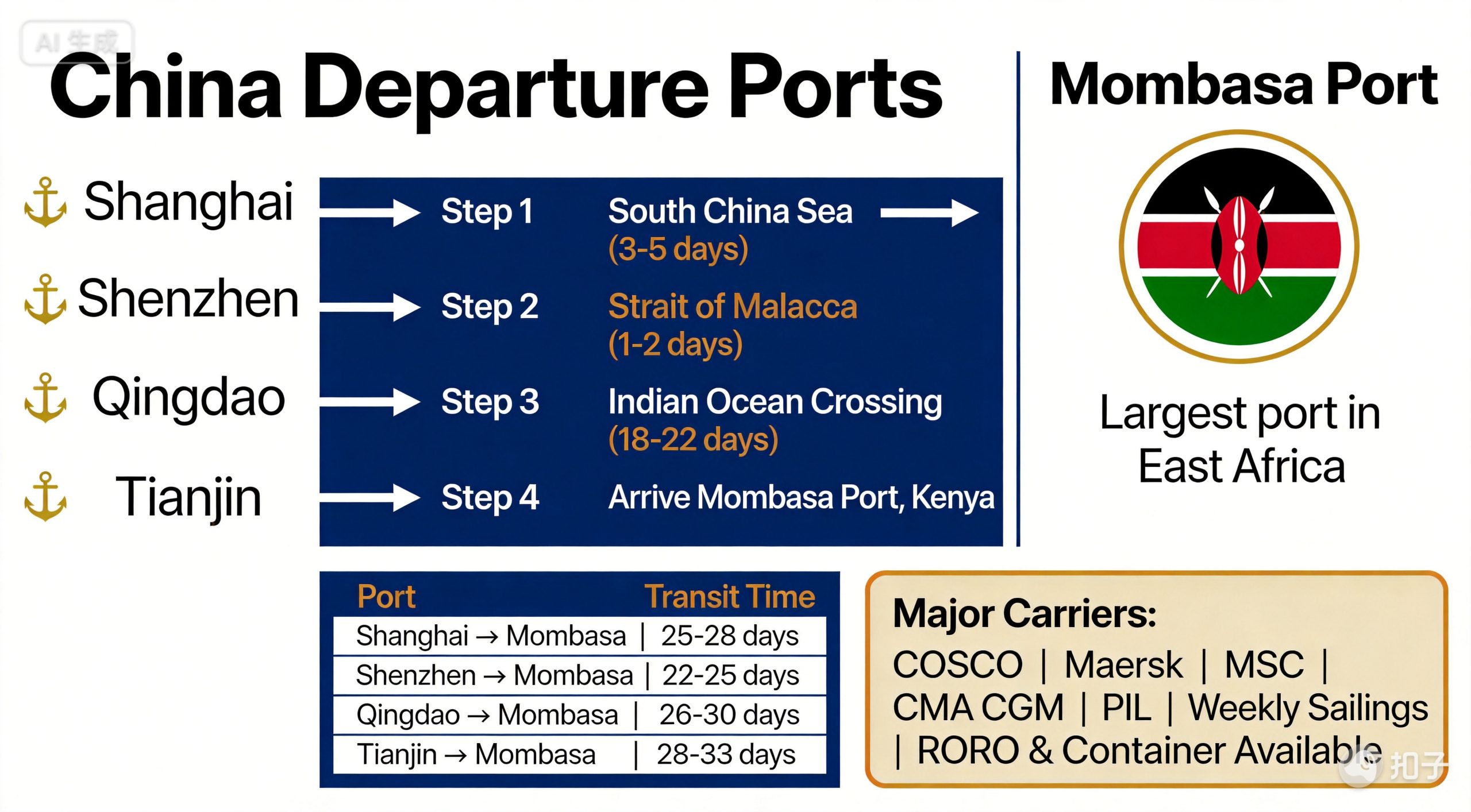
Quick answer: Quick answer: Importing used trucks from China to Kenya costs $14,000-$30,000 CIF Mombasa. Shipping takes 25-40 days via Mombasa Port, then road transport to Nairobi. Kenya applies import duty, VAT and IDF fees on used trucks. HOWO dump trucks and tractor trucks are the top sellers for Kenyan haulage and construction.
Why Kenya Needs Chinese Used Trucks
1. Infrastructure Boom
Written by Bean Wang — founder and export manager at Hebei Car, with 10+ years in the used truck export business.
Kenya is investing heavily in infrastructure — the Standard Gauge Railway, Mombasa Port expansion, the Northern Corridor highway upgrades, and housing under the Big Four Agenda. All of these require massive amounts of heavy haulage. Kenya has almost no local heavy manufacturing, so building materials and equipment come in by road. Trucks aren’t optional — they’re essential. And second-hand trucks are the fastest way to fill the gap.
2. Chinese Trucks Dominate the Market
Walk onto any Kenyan highway and count the heavy trucks. Seven or eight out of ten will be Chinese — HOWO, Shacman, FAW, Foton. This isn’t an accident. Chinese manufacturers have built distribution networks, spare parts supply chains, and maintenance systems across Kenya. You can find a mechanic who knows HOWO in almost any town.
Japanese trucks are good but expensive, with long parts lead times. European trucks are in a different price league entirely. Chinese trucks win not because they’re the “best” on paper, but because they’re the most practical to own and maintain in Kenya. When the entire ecosystem revolves around one type of truck, choosing anything else becomes the exception, not the rule.
3. New vs. Used — The Price Gap Is Over 3x
A new Chinese heavy truck landed in Kenya costs approximately $50,000–$60,000. A used version of the same model (3–5 years old) costs $15,000–$20,000. That’s more than three times cheaper.
Most individual transporters and small fleets in Kenya simply can’t afford new trucks. Bank loans are expensive (commercial rates at 15%+), making financing nearly impossible. With cash payment, a used truck starts earning immediately and can recover its cost within months.
Chinese trucks are also designed for practical, high-mileage use. Even as second-hand units, they have years of life left. Unlike some European trucks that become expensive to maintain as they age, Chinese trucks keep working. It’s not a matter of preference — it’s economic reality.
Bottom line: Kenya chose Chinese used trucks because infrastructure created the demand, Chinese brands dominate the market, and the 3x price difference made the decision for them.
Which Trucks Work Best in Kenya
| Type | Brand | Model | Best For | Price (Used, CIF) | Notes |
|---|---|---|---|---|---|
| Dump Truck | Shacman | F3000 8×4 | Construction sites, mining | $18K–$25K | The most common dump truck on Kenyan construction sites. Spare parts are everywhere. HOWO is the backup choice if budget is tight. |
| Tractor Truck | FAW | J6P 6×4 | Long-haul freight | $20K–$28K | Best fuel economy in its class. Uses 3–5 liters less per 100 km than HOWO. One round trip Mombasa–Nairobi saves real money. For mountainous routes, consider Shacman X3000. |
| Cargo Truck | Foton | Auman 5 Series 6×2 | Short-distance delivery | $10K–$15K | Best-selling medium-duty truck in China and Africa. Large inventory, easy parts, versatile. On a tight budget? The Auman 3 Series works too. |
| Pickup | Great Wall | Wingle 7 | Site vehicles, light transport | $6K–$10K | The Chinese Hilux at half the price. Easy to maintain, affordable parts. If resale value matters most, the Hilux still wins — but the price gap on used units is massive. |
These aren’t just specs on paper — you’ll see these models every day on Kenyan roads.
RHD vs LHD: What Kenya Buyers Need to Know
Kenya drives on the left (RHD). Good news: Chinese manufacturers including HOWO, Shacman, and FAW produce factory RHD versions for export. When you buy from us, we source the RHD version for you — no conversion needed.
If an LHD truck is already in stock (common, since most Chinese trucks are LHD by default), RHD conversion is available at an additional $800–$1,500. But we always recommend ordering factory RHD when possible.
Kenya Import Duty & Taxes
| Tax | Rate | Tax Base |
|---|---|---|
| Import Duty | 25% | CIF Value |
| Excise Duty | 10% | CIF + Import Duty |
| VAT | 16% | CIF + Import Duty + Excise Duty |
| Railway Development Levy | 2% | CIF Value |
| Import Declaration Fee | 3.5% | CIF Value |
Shipping from China to Kenya
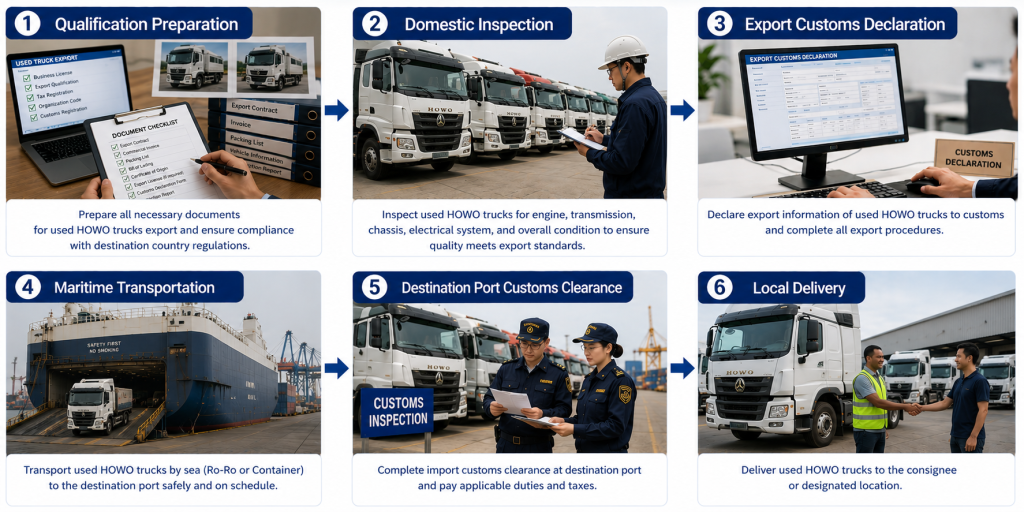
1. Full Process: From China to Kenya
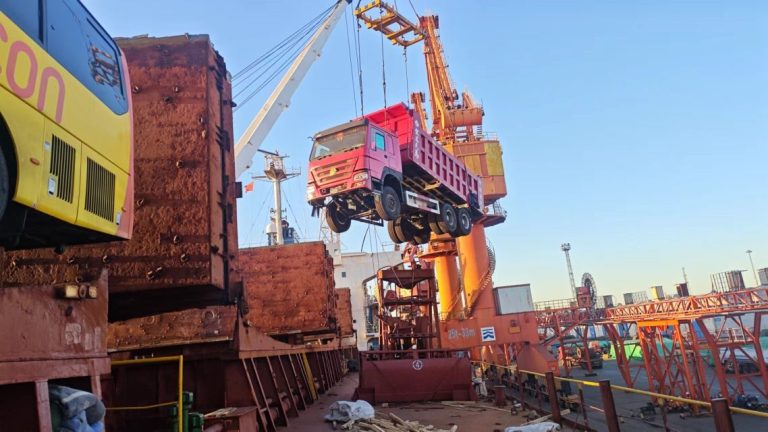
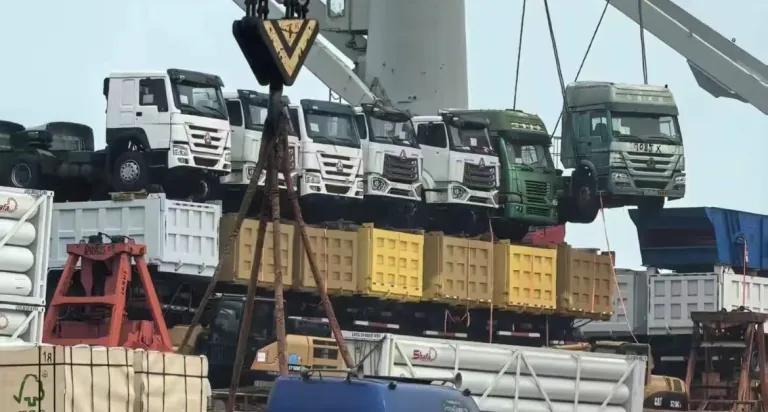
Preparation → inspection in China → export customs clearance → sea freight → destination port clearance → local delivery.
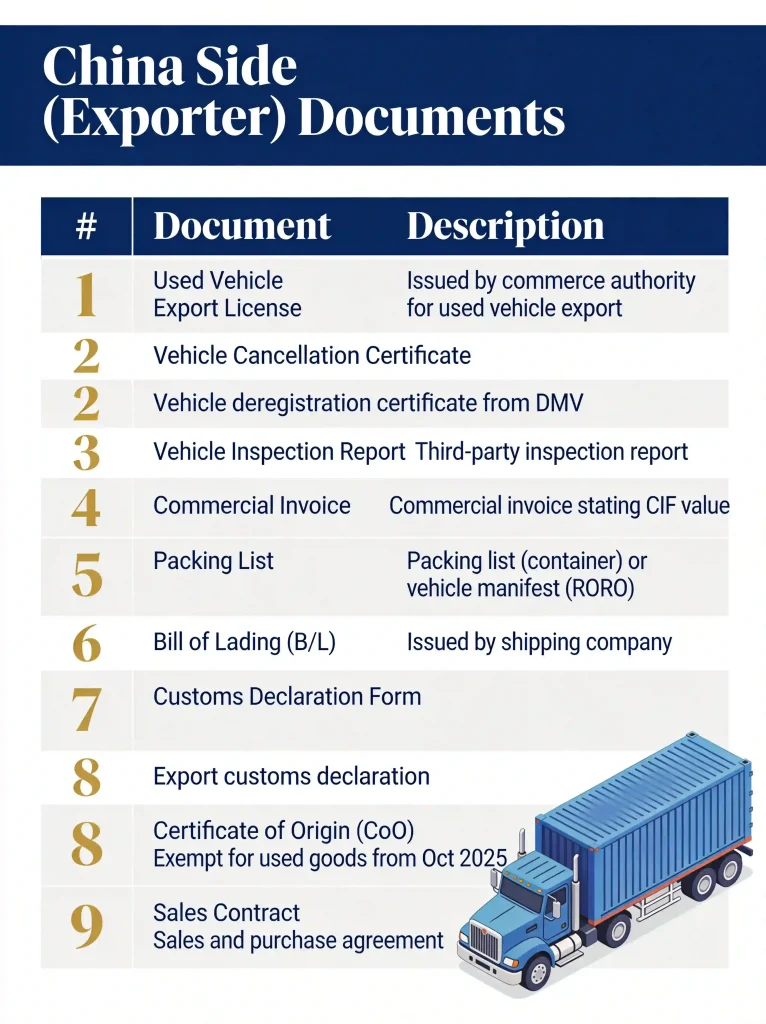
2. Required Documents
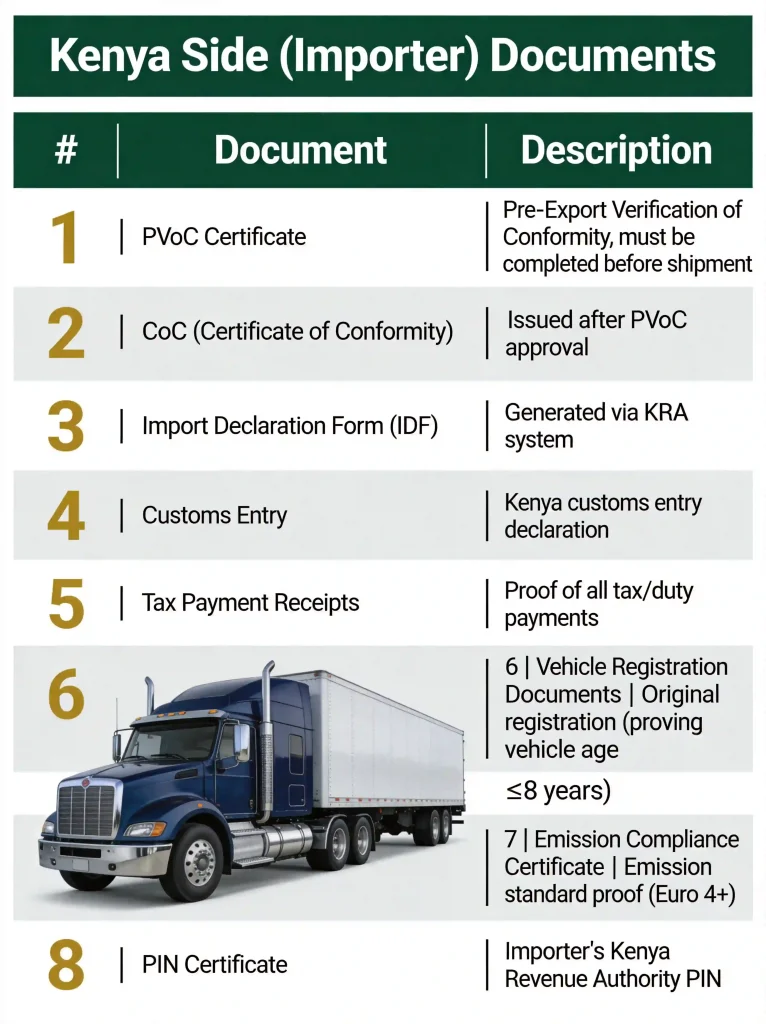
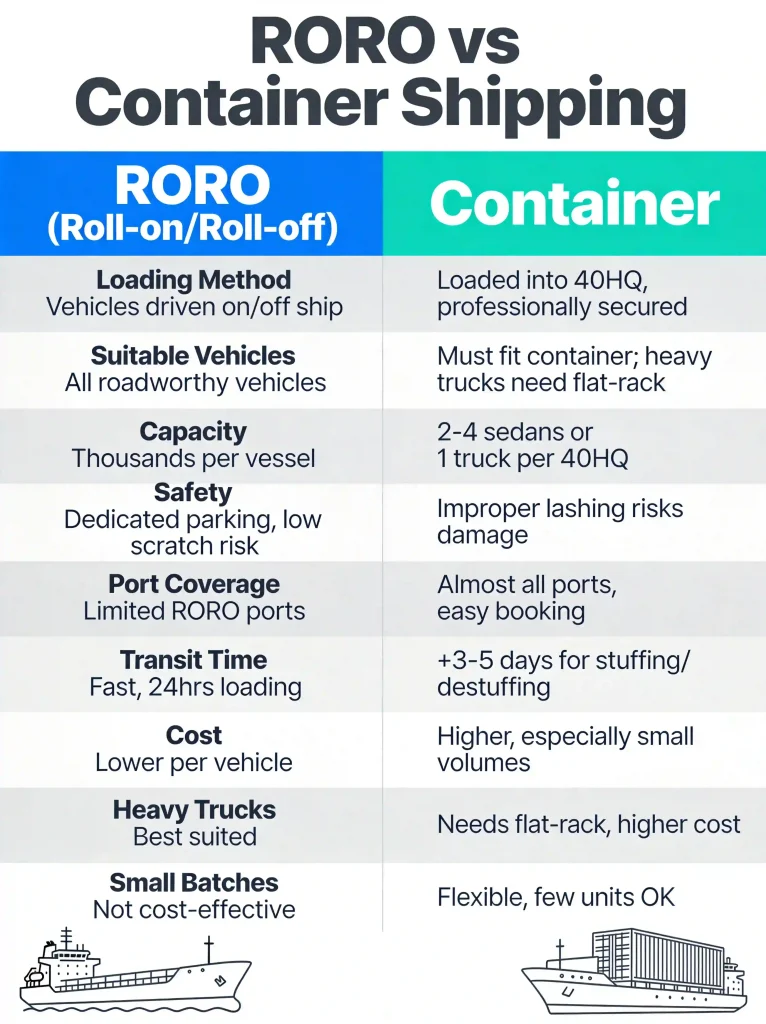
3. RORO vs Container
How to Find a Supplier You Can Trust
This is where most buyers make mistakes. Here’s what I tell every Kenyan buyer:
- Ask for a live video call. Not photos — a real-time video where you see the actual truck start, idle, and move. We do this for every customer. If a supplier refuses, walk away.
- Check documents match the truck. VIN, registration, and year model should all line up. Some sellers swap papers between trucks.
- Get shipping costs upfront. CIF (Cost + Insurance + Freight) is standard. Know exactly what’s included.
- Verify export paperwork. You need Bill of Lading, Commercial Invoice, Certificate of Origin, Vehicle Title. Without these, your truck sits at Mombasa port.
- Beware of prices that seem too good. If a HOWO 6×4 is offered at $8,000, something is wrong — either the truck has hidden issues or the paperwork won’t hold up.
We offer video inspection for every truck before you pay anything. You see the engine start, check the tires, and hear it run. No surprises.
Frequently Asked Questions — Import Used Trucks to Kenya
Yes, up to 8 years old from year of manufacture. Kenyan import regulations allow second-hand commercial vehicles within this age limit.
Yes, left-hand drive trucks are legal in Kenya. Many HOWO and Shacman trucks run LHD. However, right-hand drive may be easier for local operation.
Shipping from Tianjin or Shanghai to Mombasa port takes 20–30 days. Total turnaround including loading is typically 28–35 days.
Approximately $30,000–$32,000 including CIF shipping, import duty (25%–35% depending on truck type), VAT (16%), IDF, and clearing fees. Contact us for a detailed quote to your specific port.
Yes. We offer free live video inspection via WhatsApp. You see the exact truck start, idle, and move before paying anything.
Bill of Lading, Commercial Invoice, Packing List, Certificate of Origin, KRA PIN, and Import Declaration Form (IDF). We provide all export documentation.
Yes, we ship CIF Mombasa, and you can arrange inland transport from Mombasa to Kampala, Kigali, or Juba. We can share trusted logistics contacts for the inland leg.
About HebeiCar. We are a used truck exporter based in Shijiazhuang, Hebei Province, operating since 2015. To date we have exported 500+ trucks to buyers across Africa, the Middle East and Central Asia — Kenya is a key market for us — tractor trucks for the Mombasa–Nairobi container corridor are the largest share of what we ship there. Every unit we ship goes through the same inspection checklist, on camera, before any payment is made. Company and contact details are on our About page.
Why Buy from HebeiCar
- 10+ years in used truck export
- Full mechanical inspection before shipment
- Flexible RORO & container shipping
- Professional export documentation
- ⚡ WhatsApp quick response — answers within hours
📧 Email: [email protected]
▶️ YouTube — truck walkarounds & inventory updates
🎵 TikTok — real videos of current stock
More African Market Guides
Importing trucks to another market? Read our guides for Tanzania, Uganda, Ethiopia, DRC.
About the AuthorWang Jianbin is the founder of HebeiCar (hebeicar.com), a China-based used truck exporter. Since 2014, he has helped 500+ fleet owners and dealers across 20+ African countries — Nigeria, Ghana, Kenya, Tanzania, Zambia, DRC, Ethiopia and more — source quality used HOWO, Shacman, FAW and FOTON trucks at factory-direct prices. Every truck is inspected in his own yard in Shijiazhuang, Hebei before shipping, and he writes about import procedures, shipping logistics, customs clearance and truck selection based on that real export experience.
Watch real inventory walkaround videos on the YouTube channel, or contact Wang Jianbin directly for current inventory and CIF prices via WhatsApp.