Used Concrete Mixer Trucks from China for Africa — Complete 2026 Buyer’s Guide
A Real Story to Start
A few months ago, a customer from Uganda called me. He runs a construction company in Kampala — residential buildings, small commercial projects. He needed a concrete mixer truck but didn’t want to spend $60,000 on a new one.
“Can I get a used one from China? One that actually works?”
Yes, but not all used mixer trucks are the same. Over the past decade, I’ve sold mixer trucks to buyers in Nigeria, Kenya, Tanzania, Ghana, and Uganda. So this article covers what I’ve learned along the way: which brands actually hold up, what to check on the drum and hydraulics, what CIF prices look like in 2026, and one thing that most first-time mixer buyers completely overlook.
The Growing Demand for Concrete Mixer Trucks in Africa
Africa is building right now — new roads, new bridges, new housing estates, new commercial centers from Lagos to Lusaka. Because of that, every major construction site needs concrete, and mixer trucks are in higher demand than ever.
Why Buy a Used Concrete Mixer Truck from China?
Africa is building right now — new roads, new bridges, new housing estates, new commercial centers from Lagos to Lusaka. Because of that, every major construction site needs concrete, and mixer trucks are in higher demand than ever.
Three reasons Chinese-made mixer trucks make sense for most African buyers:
Price — 40–60% Less Than New or European
A used Chinese mixer truck runs $12,000–$22,000 CIF to most African ports. Compare that to $45,000–$70,000 for a new one, or $30,000–$50,000 for a used European equivalent (Mercedes Actros or Scania). On top of that, when a European truck breaks down in Accra or Dar, parts take weeks to arrive — if you can find them at all.
Parts — Shares Components with Dump Trucks
HOWO and Shacman mixer trucks use the same chassis and engines as their dump trucks. If your mechanic already works on HOWO, he can fix your mixer. Drum and hydraulic parts are stocked in Lagos, Nairobi, and Dar es Salaam. Dongfeng mixers are less common but also well supported in East Africa. No special supply chain needed for routine maintenance.
Built for African Site Conditions
Chinese mixer trucks come with high ground clearance, reinforced frames, and suspension that handles unpaved access roads. After all, a mixer truck spends its life on construction sites — not smooth highways. These trucks are designed for that. They won’t win a beauty contest, but they’ll keep pouring.
Not all mixer trucks are equal, though. The key difference lies in the mixing drum and the hydraulic system. A worn drum or a failing hydraulic pump will end up costing you more in repairs than you saved on the purchase price.
Top Brands of Used Concrete Mixer Trucks from China
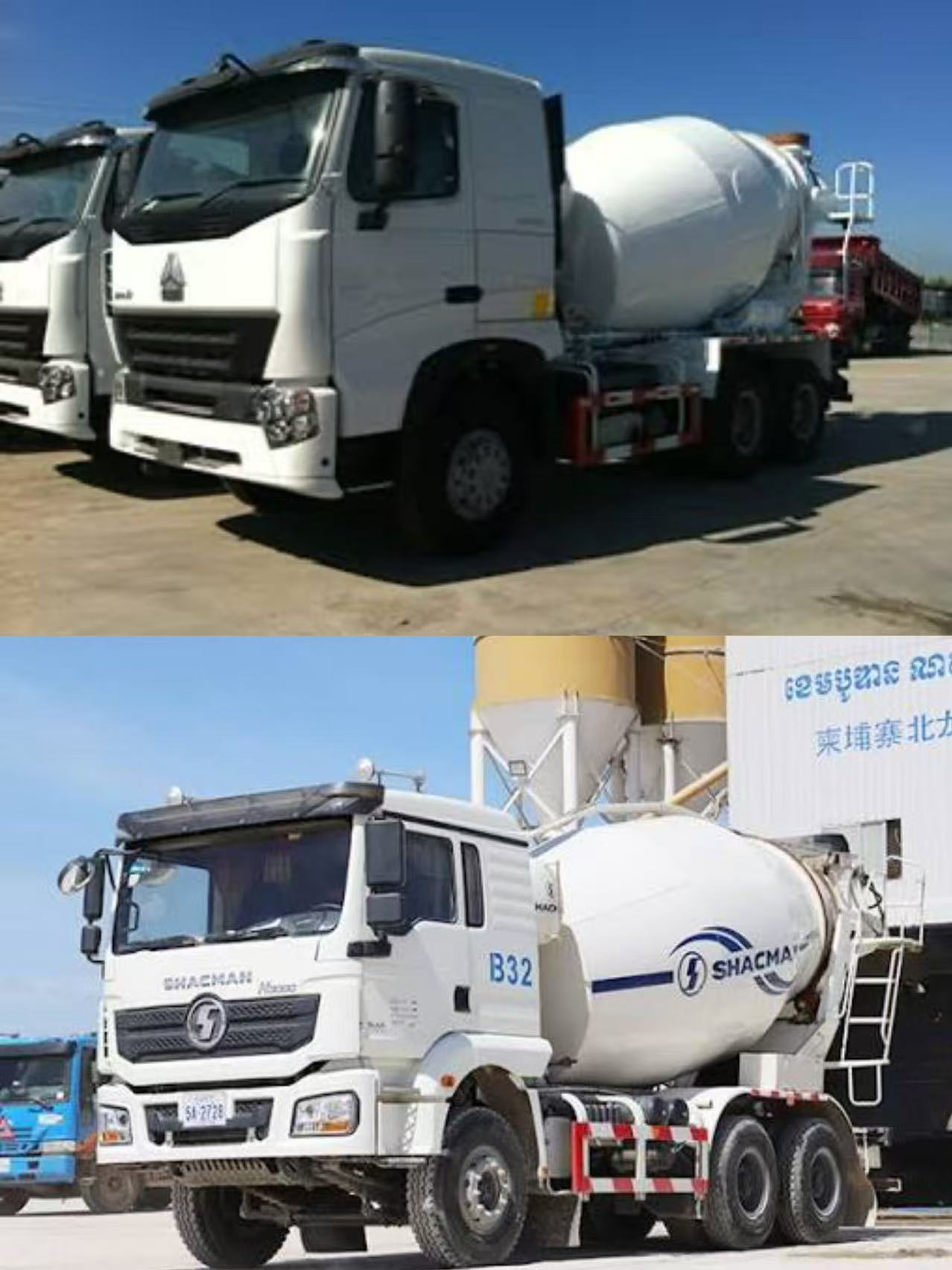
Most used mixer trucks from China start as standard heavy-duty chassis with a mixing drum mounted on the frame. Based on what I’ve seen across Africa over the years, here are the brands that consistently perform best and why.
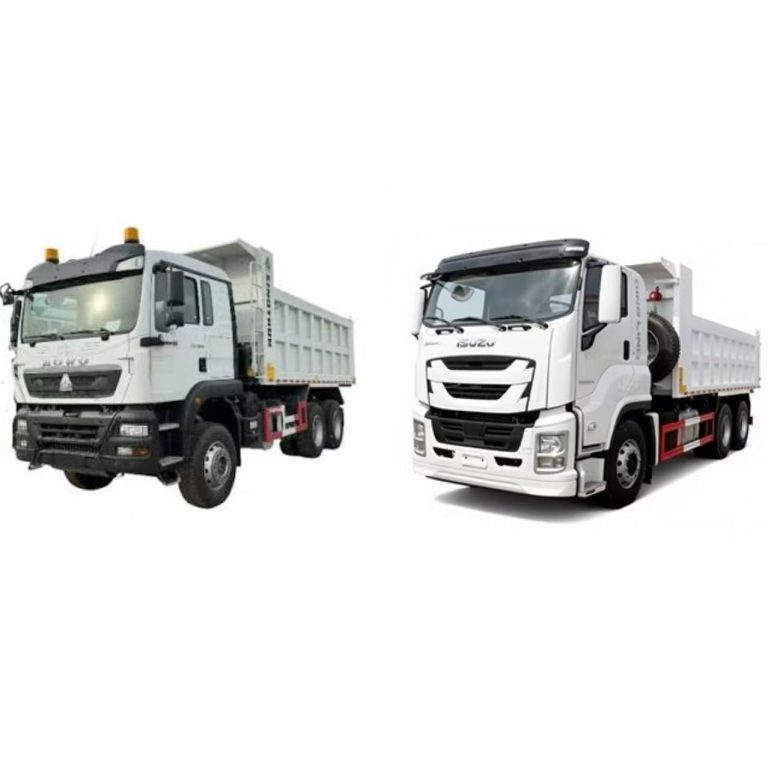
1. HOWO (Sinotruk) — The Workhorse
Best for: Nigeria, Ghana, Tanzania — anywhere that already has HOWO parts and mechanics.
HOWO mixer trucks share the same 6×4 chassis as the popular HOWO dump trucks. Under the hood, the standard setup pairs a 336HP or 371HP engine with a 10–12 cubic meter drum. For the transmission and hydraulics, they use ZF-style gearboxes paired with Italian or Chinese pumps — either PMP, Rexroth, or domestic brands.
Common models:
- HOWO 6×4 concrete mixer — 336HP / 371HP, 10m³–12m³ drum
- HOWO 8×4 concrete mixer — 375HP–420HP, 12m³–14m³ drum
Typical CIF price (2019–2021 model): $13,000–$20,000 to Lagos / Tema / Mombasa
What buyers say: “It’s not fancy, but it works. My mechanic knows it. Parts are everywhere.”
See a HOWO 6×4 Mixer Truck in Action — $19,000 FOB
▶ Watch the video: A used HOWO 6×4 concrete mixer truck from our yard — $19,000 FOB China, real footage, ready for export. Watch on YouTube. Check current stock on our used mixer truck product page. For CIF prices and live video inspection, WhatsApp +86 157 1768 7720.
2. Shacman (Shaanxi Automobile) — Heavy Load Specialist
Best for: Zambia, DRC, East African highlands — routes with steep grades and rough terrain.
Shacman mixers use Weichai engines (WP10 / WP12 series), which are known for strong torque and reliability. On top of that, the F3000 and X3000 chassis are built heavier than HOWO equivalents. So if your site has bad access roads or you’re hauling concrete uphill, Shacman is often the better choice.
Common models:
- Shacman F3000 6×4 concrete mixer — 336HP–385HP, 10m³–12m³ drum
- Shacman X3000 6×4 concrete mixer — 385HP–430HP, 12m³ drum
Typical CIF price (2019–2021 model): $14,000–$22,000 to major African ports
What buyers say: “The Shacman handles the weight better. On bad roads, it’s more stable.”
3. Dongfeng — The Budget Option
Best for: East Africa (Kenya, Uganda, Tanzania), light to medium construction projects.
Dongfeng mixer trucks are lighter-duty. They typically come in 6×4 or 4×2 configuration, with 220–270HP engines and 6m³–8m³ drums. They cost less upfront, but they also carry less concrete per trip. That makes them a good fit if your jobs are smaller and you don’t need maximum output.
Typical CIF price (2019–2021 model): $8,500–$14,000 to Mombasa / Dar es Salaam
4. FAW — Fuel Efficient, Less Common
FAW mixer trucks do exist, but they’re less common in the used export market. The FAW J6 series offers good fuel economy, no question. However, parts can be a challenge — FAW mixer configurations use different hydraulic components than the more common HOWO and Shacman units.
Typical CIF price (2019–2021 model): $12,000–$19,000
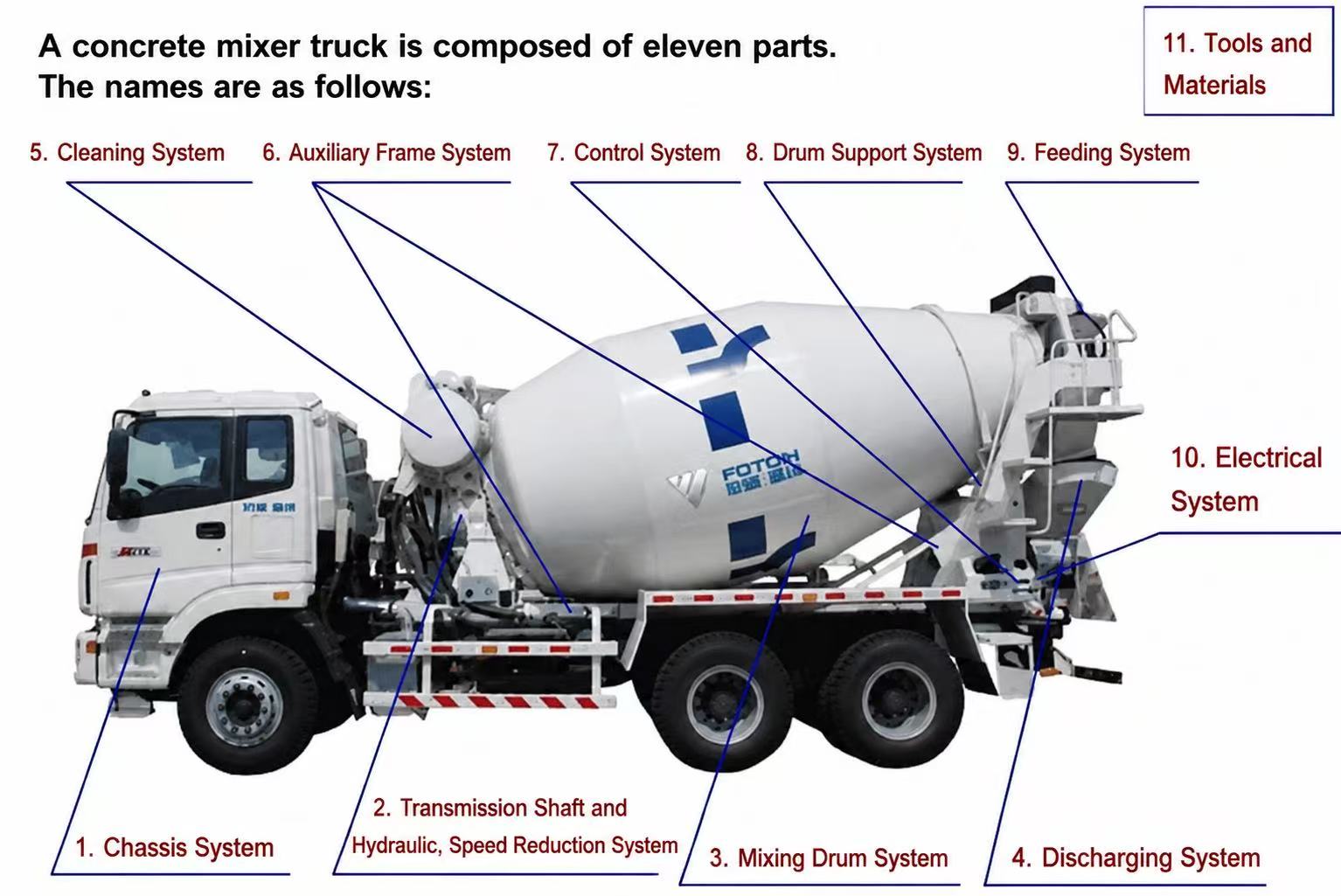
Used Concrete Mixer Truck Price Comparison — CIF to Africa (2026)
These are real price ranges from recent shipments. Prices shift with market conditions, exchange rates, and individual truck conditions — but this gives you a solid starting point.
| Brand | Model | Drum Size | Engine | HP | CIF Africa Range | Best For |
|---|---|---|---|---|---|---|
| HOWO | 6×4 Mixer | 10–12m³ | WD615 | 336–371 | $13,000–$20,000 | General construction |
| HOWO | 8×4 Mixer | 12–14m³ | WD618 | 375–420 | $17,000–$24,000 | Large projects |
| Shacman | F3000 6×4 | 10–12m³ | Weichai WP12 | 336–385 | $14,000–$22,000 | Rough terrain |
| Shacman | X3000 6×4 | 12m³ | Weichai WP13 | 385–430 | $16,000–$24,000 | Heavy duty |
| Dongfeng | 6×4 Mixer | 6–8m³ | Cummins ISDe | 220–270 | $8,500–$14,000 | Small/medium jobs |
| Dongfeng | 4×2 Mixer | 4–6m³ | Cummins ISDe | 160–200 | $6,500–$10,000 | Light duty, tight access |
What Affects the Final Price?
Prices above are estimates for 2019–2022 model years. The actual cost you’ll pay depends on four things: drum condition, chassis mileage, the brand of the hydraulic system, and what freight rates look like the week you book. Always get a confirmed CIF quote from your supplier, not a rough estimate.
The One Thing Most Mixer Buyers Miss
Almost every first-time mixer buyer I’ve dealt with focuses on the wrong things.
The engine gets checked. Tires get kicked. Transmission gets asked about. All important — but none of these are what make a mixer truck different from any other truck.
The drum and the hydraulics are what matter.
A dump truck with a bad engine is a problem. A mixer truck with a bad hydraulic pump is a write-off — at least for the season. You cannot pour concrete with a manual backup. No drum rotation means no revenue.
Here’s the checklist I run on every mixer before it leaves our yard:
1. Drum Rotation Test
First, start the truck. Then engage the PTO (power take-off). Turn the drum in both directions — loading (slow) and unloading (fast). Listen for grinding, clicking, or inconsistent speed. The drum should rotate smoothly throughout. Any hesitation or unusual noise suggests the hydraulic motor or gearbox has problems.
What to expect: The drum should rotate at about 2–4 RPM during mixing and 8–12 RPM during discharge. If it struggles at either speed, there’s a problem.
2. Hydraulic System Inspection
Start by looking for oil leaks around the hydraulic pump, motor, and hoses. Then check the hydraulic oil level and condition — milky or dark oil means water contamination or overheating. Finally, listen for whining from the pump under load.
Brands to prefer: PMP (Italian), Rexroth (German), or SAUR (Chinese). Ask your supplier which brand the truck uses — Italian and German hydraulics are typically more durable than their Chinese counterparts.
3. Drum Interior Condition
This is the one most people skip, which is a mistake. Open the drum hatch and look inside — or better yet, ask your supplier to send a video. Specifically, you’re looking for:
- Concrete buildup. A thin layer is normal. Thick buildup (over 5cm) means the truck wasn’t cleaned properly. It reduces capacity and adds unnecessary weight.
- Worn mixing blades. The spiral blades inside the drum wear down over time. If they’re worn by more than 30%, mixing quality drops, and you’ll eventually need a drum rebuild.
- Rust or corrosion. Surface rust is normal. Deep pitting means the drum material is compromised.
4. Water Tank and System
The water tank should be clean, the pump should function properly, and the pipes shouldn’t leak. After all, a truck that can’t add water on-site is useless for quality concrete work.
5. Chassis and Engine — Standard Checks
Same as any other used truck: cold start test, check for smoke color (blue = burning oil, white = coolant leak, black = incomplete combustion), listen for knock, check oil condition, test transmission shifts, and look at the frame for cracks or welding repairs.
But there’s one area that matters more on mixers — the frame. These trucks carry heavy loads and spend a lot of time on rough terrain, so a cracked frame is dangerous. Pay close attention to the mounting points where the drum subframe connects to the chassis.
New vs. Used Mixer Truck — ROI Comparison
The math is usually straightforward for African buyers. As an example, here’s a real cost breakdown for a HOWO 6×4 mixer truck landing in Lagos, comparing new versus used:
| Item | New HOWO Mixer | Used HOWO Mixer (2019–2021) |
|---|---|---|
| Truck Price (FOB) | $38,000–$45,000 | $10,000–$15,000 |
| Freight + Insurance to Lagos | $5,000–$6,000 | $5,000–$6,000 |
| Customs Duty + Clearance | $5,000–$8,000 | $3,000–$5,000 |
| Total Landed Cost | $48,000–$59,000 | $18,000–$26,000 |
| Monthly Revenue (est.) | $3,000–$4,500 | $3,000–$4,500 |
| Break-even Time | 14–18 months | 5–8 months |
As the table shows, a used truck costs half as much but generates the same revenue per trip. Yes, maintenance will be higher — but not by enough to make the new deal.
Real Talk from a Buyer in Nairobi
“I bought two used mixers for the price of one new one. Two trucks mean two jobs at the same time. The choice was obvious.”
That’s the math that matters. Same revenue per truck, half the capital outlay, double the fleet.
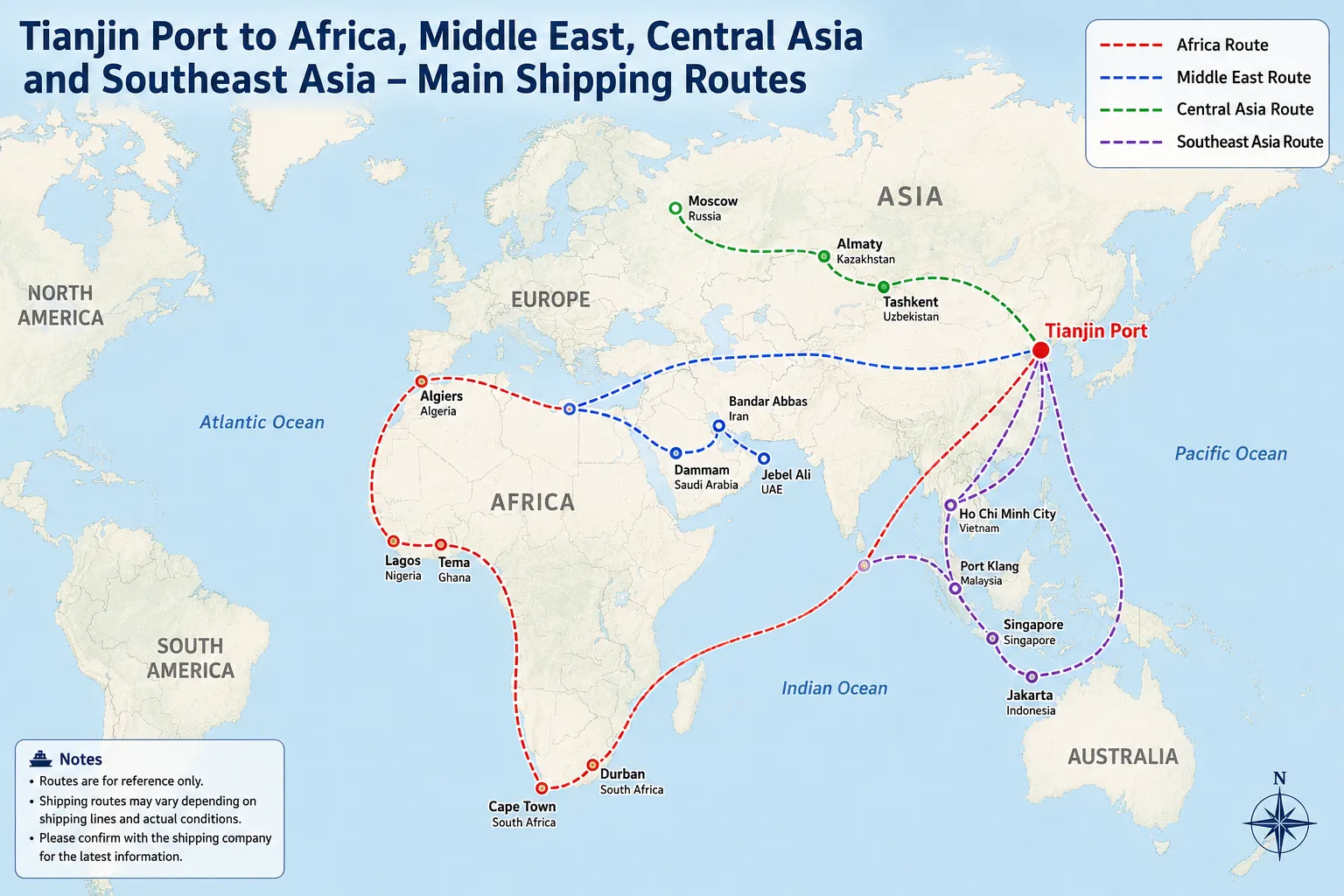
Shipping a Mixer Truck from China to Africa
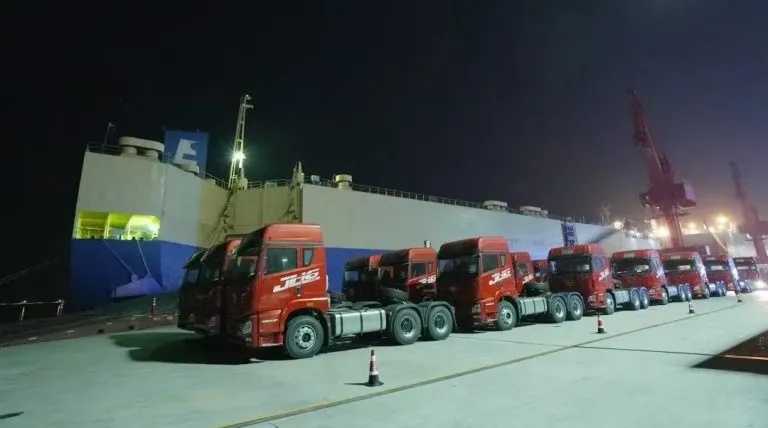
Concrete mixer trucks are taller and wider than standard trucks. The drum and the water tank on top make them oversized for standard containers. This affects shipping.
RORO vs Flat Rack — Which Option Works Best?
RORO (Roll-on/Roll-off): This is the standard method for mixer trucks. The truck drives onto the vessel. No disassembly needed. Transit time is 18–28 days, depending on destination.
Flat Rack Container: If you’re shipping a single mixer or you need better protection, a flat rack container works. The truck is secured to a container base. Higher cost but less risk of cosmetic damage.
Shipping Routes & Transit Times
| Destination Port | Transit from Tianjin | Transit from Shanghai |
|---|---|---|
| Lagos (Nigeria) | 20–25 days | 18–22 days |
| Tema (Ghana) | 18–22 days | 16–20 days |
| Mombasa (Kenya) | 22–28 days | 20–26 days |
| Dar es Salaam (Tanzania) | 22–28 days | 22–28 days |
Watch the Height
The mixer drum adds height. Make sure your supplier measures the overall height of the truck so you know it will clear ramps on the RORO vessel and bridges at your destination. Most standard RORO vessels handle 4.2m high vehicles without problems.
Frequently Asked Questions
Q: Can I see the concrete mixer truck before I pay?
A: Yes. We do live video inspection. You see the truck on camera — cold start, drum rotation in both directions, hydraulic check, chassis, and cab. You ask questions. If you’re not satisfied, we’ll find another truck.
Q: What drum size is right for my business?
A: For most construction projects in Africa, 10m³ is the sweet spot. It carries enough concrete for a standard building pour without being too heavy for the roads. 8m³ works well for smaller jobs, whereas 12m³+ is better suited for large infrastructure projects with good access roads.
Q: Do I need a special license to drive a mixer truck?
A: In most African countries, a standard heavy truck license will cover mixer trucks. However, you should still check with your local transport authority first. Some countries have additional requirements for vehicles carrying wet concrete due to the weight and handling characteristics.
Q: How long does a used mixer drum last?
A: With regular cleaning (flush the drum after every pour), 5–8 more years from a well-maintained used truck. Without cleaning? Concrete hardens inside, and you’ll need a drum rebuild within 2 years.
Q: Are spare parts for mixer trucks available in Africa?
A: Chassis parts — engine, transmission, brakes, suspension — are widely available because HOWO and Shacman share parts with their dump trucks. However, the specific mixer parts like drum gearbox, hydraulic pump, and control valves are less common. That’s why smart buyers order basic hydraulic spares with the truck. We can help with that.
Q: How much does it cost to operate a concrete mixer truck in Africa?
A: Here’s a rough budget for reference: fuel runs $500–$800/month depending on trips, driver salary is $300–$600, and maintenance should have $200–$500 set aside monthly. That brings the total operating cost to approximately $1,000–$2,000 per month per truck. On the revenue side, that depends on your local market rates — typically $150–$300 per concrete delivery trip.
Q: What’s the used concrete mixer truck market like in East vs West Africa?
A: West Africa (Nigeria, Ghana) prefers larger drums — 10m³–12m³ — because construction projects are bigger. East Africa (Kenya, Uganda, Tanzania) uses more 8 m³–10 m³ drums for mid-size commercial and residential projects. Tanzania is seeing growing demand for mixer trucks due to the infrastructure boom around Dar es Salaam and the new standard gauge railway projects.
Quick Buyer’s Checklist
Save this for when you inspect a used mixer truck. Or better yet, send it to your supplier and ask them to check each item on video before you pay.
14-Point Inspection Checklist
- ☐ Cold start test — engine starts clean, no blue/white smoke
- ☐ PTO engagement — engages smoothly, no grinding
- ☐ Drum rotation — both directions, smooth at all speeds
- ☐ Hydraulic oil level and condition — clean, not milky
- ☐ No visible oil leaks from pump, motor, or hoses
- ☐ Drum interior checked — less than 5cm concrete buildup
- ☐ Mixing blades — less than 30% wear
- ☐ Water tank and pump — functional, no leaks
- ☐ Chassis — no cracks at drum mounting points
- ☐ Transmission — smooth shifts through all gears
- ☐ Brakes — responsive, no air leaks (for air brake systems)
- ☐ Tires — matching pairs, tread depth above 50%
- ☐ Cabin — AC works (tropical climate requirement)
- ☐ VIN matches registration documents
Why Buy from HebeiCar?
Browse our full range of Used Dump Trucks for current inventory and pricing.
I’ve been exporting used trucks from China for over 10 years. Concrete mixer trucks are a specialty — they need a completely different inspection process than dump trucks or tractor heads. Unfortunately, most exporters treat them the same as any other truck. We don’t.
What You Get When You Work with Us
Here’s what you get when you work with us:
- Live video inspection. We walk around the truck, start it cold, rotate the drum, check the hydraulics — all on WhatsApp video. You see exactly what you’re buying.
- Full mechanical check. Engine compression, transmission, drum condition, and hydraulic test. If something is wrong, we tell you before you pay.
- Drum interior video. We open the hatch and film inside—no hiding, buildup, or worn blades.
- Fair pricing. We price trucks based on condition, not hope. A truck with a good drum and clean hydraulics costs more than one with problems — and it should.
- 30% deposit, 70% after your video confirmation. You don’t pay the balance until you’ve seen the truck and approved it.
- Full export documentation. Bill of lading, invoice, certificate of origin, SONCAP (Nigeria) — all handled.
Our stock changes weekly, so availability varies. If we don’t have a concrete mixer truck that meets our standards on the day you call, we’ll tell you honestly and let you know when the next inspection batch comes in. Honestly, I’d rather lose a sale than sell a truck that will cause problems down the road.
Ready to buy your used concrete mixer truck from China?
📱 WhatsApp: +86 15717687720 — Send me “I need a mixer truck for [your country]” and I’ll reply with current options and CIF price.
📧 Email: [email protected]
🌐 Website: hebeicar.com
📹 Truck videos: https://www.youtube.com/@Used-trucks-china
Just text me this: “Looking for a [brand] concrete mixer, [drum size], CIF to [your port]” — and I’ll send you what I’ve got.
Related guides:
- How to Import Used Trucks from China — Complete Guide
- How to Find a Reliable Used Truck Supplier in China
- Shacman Used Trucks — Buyer’s Guide
- HOWO Used Trucks — Buyer’s Guide
- Used Dump Trucks from China — Complete Guide for Africa
- Used Water Trucks (Sprinkler Trucks) from China — Complete Guide
About the Author
Wang Jianbin is the founder of HebeiCar (hebeicar.com), a China-based used truck exporter. Since 2014, he has helped 500+ fleet owners and dealers across 20+ African countries — Nigeria, Ghana, Kenya, Tanzania, Zambia, DRC, Ethiopia and more — source quality used HOWO, Shacman, FAW and FOTON trucks at factory-direct prices. Every truck is inspected in his own yard in Shijiazhuang, Hebei before shipping, and he writes about import procedures, shipping logistics, customs clearance and truck selection based on that real export experience.
Watch real inventory walkaround videos on the YouTube channel, or contact Wang Jianbin directly for current inventory and CIF prices via WhatsApp.