Used Great Wall Pickup Trucks for Africa: Complete 2026 Buyer’s Guide
Last year, a buyer from Zambia messaged me on WhatsApp. He wanted a pickup for his farm — something to haul feed, move tools, and sometimes carry workers. The budget was tight. The new Hilux was out of the question.
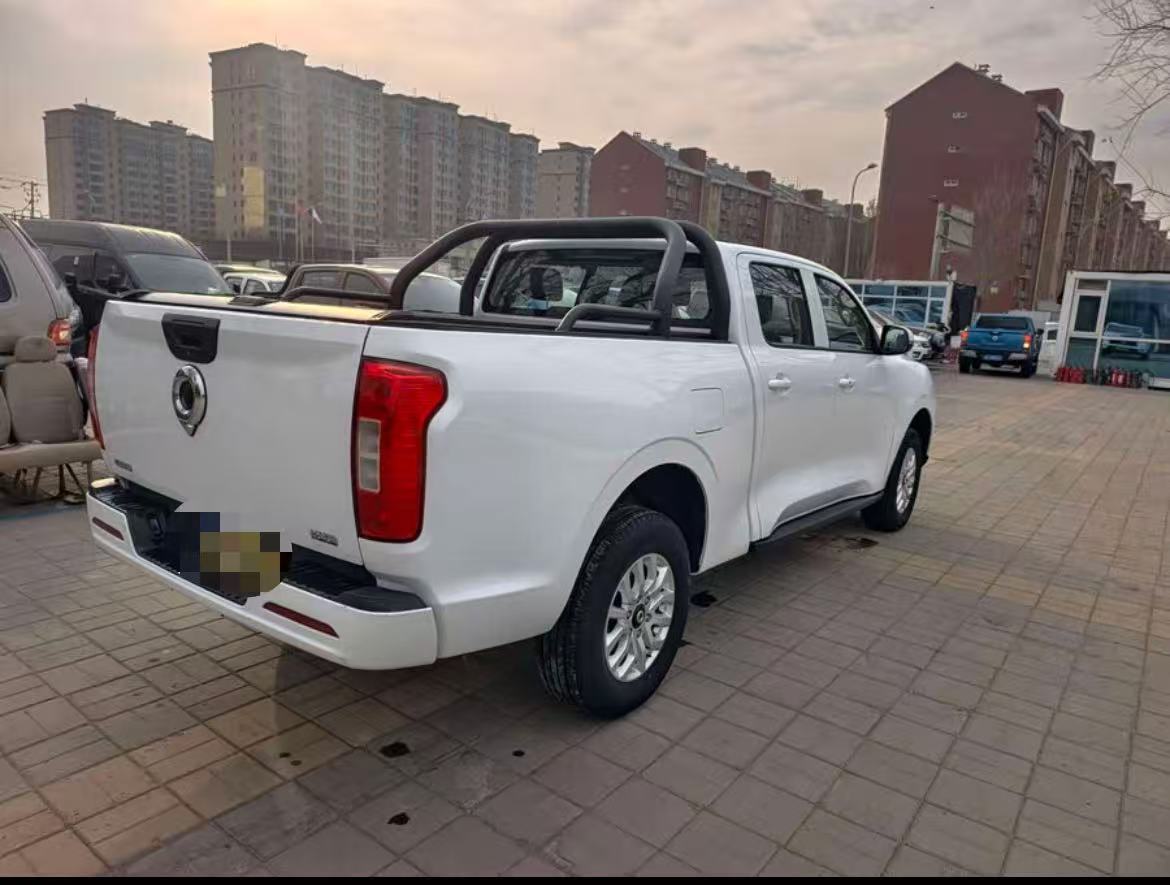
I sent him videos of a 2017 Great Wall Wingle 5. White, 4×4, diesel, 120,000 km on the clock. He stared at the videos for three days before deciding. What sold him wasn’t the price — it was the fact that the truck had been used on a farm in Hebei province, so he knew it could handle dirt roads and heavy loads.
That truck is still running today. Two years later, he’s bought a second one.
Stories like this are more common than you’d think. Great Wall pickups cost roughly half of what a comparable Toyota Hilux or Isuzu D-Max would set you back. But there’s a catch — you need to know what you’re looking at. I’ve been doing this for 10 years, and I’ve seen plenty of buyers get it right and plenty get it wrong. Here’s the part nobody tells you.
Why African Buyers Keep Coming Back to the Great Wall
Great Wall Motors has been around since the 90s. They’re now the biggest pickup and SUV maker in China, with trucks sold in over 100 countries. Here’s why African buyers keep choosing them over the competition:
Price — and not in a vague way. A used Wingle 5 or Wingle 7 lands at your port for $8,000–$14,000 CIF. A Hilux of the same year? You’re looking at $18,000 minimum. That $6,000–$10,000 gap is rent, or school fees, or another truck payment. Real money.
Parts. They’re actually available. Great Wall has been selling in Africa for over 15 years. You can find brake pads in Ladipo Market, Lagos. Clutch kits in Abossey Okai, Accra. Engine parts in the Industrial Area, Nairobi. You won’t wait three weeks for a basic service item.
Fuel economy matters when you drive every day. Most Great Wall pickups run 2.0L–2.8L diesel engines. They’re not fast, but they sip fuel. If you run deliveries six days a week, that difference pays for itself inside a year.
Left-hand drive, no conversion needed. China drives on the right. Most of Africa drives on the right. The truck arrives and goes straight to work. No conversion, no extra cost.
They’re built for rough roads. This is something people don’t realize — Chinese rural roads can be worse than anything you’ll find in most of Africa. The suspension on these trucks is designed for potholes, gravel, and mud. They handle it without complaint.
Which Model Makes Sense for You?
There are three Great Wall pickups you’ll commonly find on the used export market. Each one suits a different buyer.
Wingle 5 (also called Steed 5)
This is the workhorse. Launched around 2010, stayed in production for almost a decade. It’s basic, it’s tough, and parts are everywhere.
- Engine: 2.0L diesel turbo (GW4D20), 2.2L petrol
- Power: 110–136 HP — enough, not exciting
- Transmission: 5-speed manual
- Drivetrain: 4×2 or 4×4
- Payload: Around 800–1000 kg
- CIF Lagos/Mombasa: $7,500–$11,000
Best for: Budget buyers, farm use, light commercial. Here’s how the import process works.
Wingle 7 (Steed 6)
Came out around 2018. Bigger cabin, better safety, feels more like a modern SUV inside than a work truck.
- Engine: 2.0L diesel turbo (GW4D20D), 2.4L petrol
- Power: 143 HP
- Transmission: 6-speed manual
- Drivetrain: 4×2 or 4×4
- Payload: ~900–1100 kg
- CIF Lagos/Mombasa: $10,000–$14,000
Best for: Medium business, construction supply runs, longer-distance hauling.
Poer (Cannon in some markets)
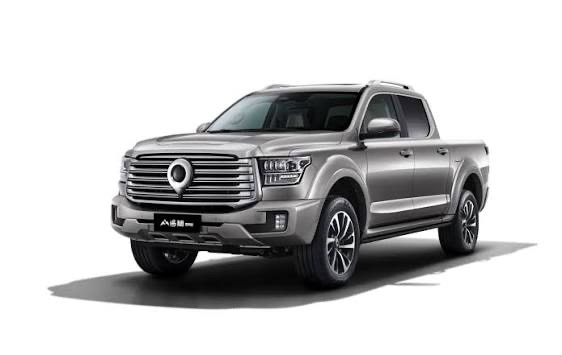
This one’s different. It’s the Great Wall’s newer, bigger pickup — closer to a US-style full-size truck. It’s been around since 2020, and you’re seeing more of them in Africa every year.
- Engine: 2.0L diesel turbo, or 2.0L petrol turbo with 8-speed auto
- Power: 163 HP (diesel), 190 HP (petrol)
- Transmission: 6-speed manual or ZF 8-speed automatic
- Drivetrain: 4×2 or 4×4
- Payload: 1000–1200 kg
- CIF Lagos/Mombasa: $14,000–$20,000
Best for: Fleet operators, buyers who want newer tech, drivers who value comfort on long trips.
Not sure which one fits? Talk to someone who knows these trucks and can match you to the right model.
Real Talk: What Goes Wrong With These Trucks
I’m going to be straight with you. Great Wall pickups are good trucks, but they have weak points. Here’s what I check on every single one before I’d ship it:
1. The GW4D20 Engine — Timing Chain
This engine is solid when it’s been looked after. But if the previous owner skipped oil changes (and many do), you’ll hear it. There’s a metallic rattle from the front of the engine, especially on cold start or at idle.
That’s the timing chain. Fixing it runs $600–$1,000. If you hear it, either negotiate hard or walk away.
Also watch for injector issues — hard starting, rough idle, black smoke. A set of four injectors is about $300–$400. Always ask the supplier to send you a cold-start video. The engine should fire up within two seconds and idle clean. No smoke.
More on this in our used truck inspection guide.
2. The Clutch — Especially on 4×4s
These trucks get overloaded a lot. If the clutch engages high or slips under load, it’s wearing out. Budget $300–$500 for a replacement. Not a dealbreaker, but negotiate it.
3. Rust on the Chassis
Trucks from northern China (where they salt roads in winter) can have hidden rust. Here’s a trick: take a screwdriver and push it against the chassis rail near the rear leaf spring mounts. If it goes through, the frame is compromised. Do not buy this truck.
4. Suspension — Leaf Springs
African roads destroy suspension bushings. Check for wandering on the highway — that’s worn bushings. A full leaf spring set is about $200. If the bushings are shot, use it to ask for $200 off.
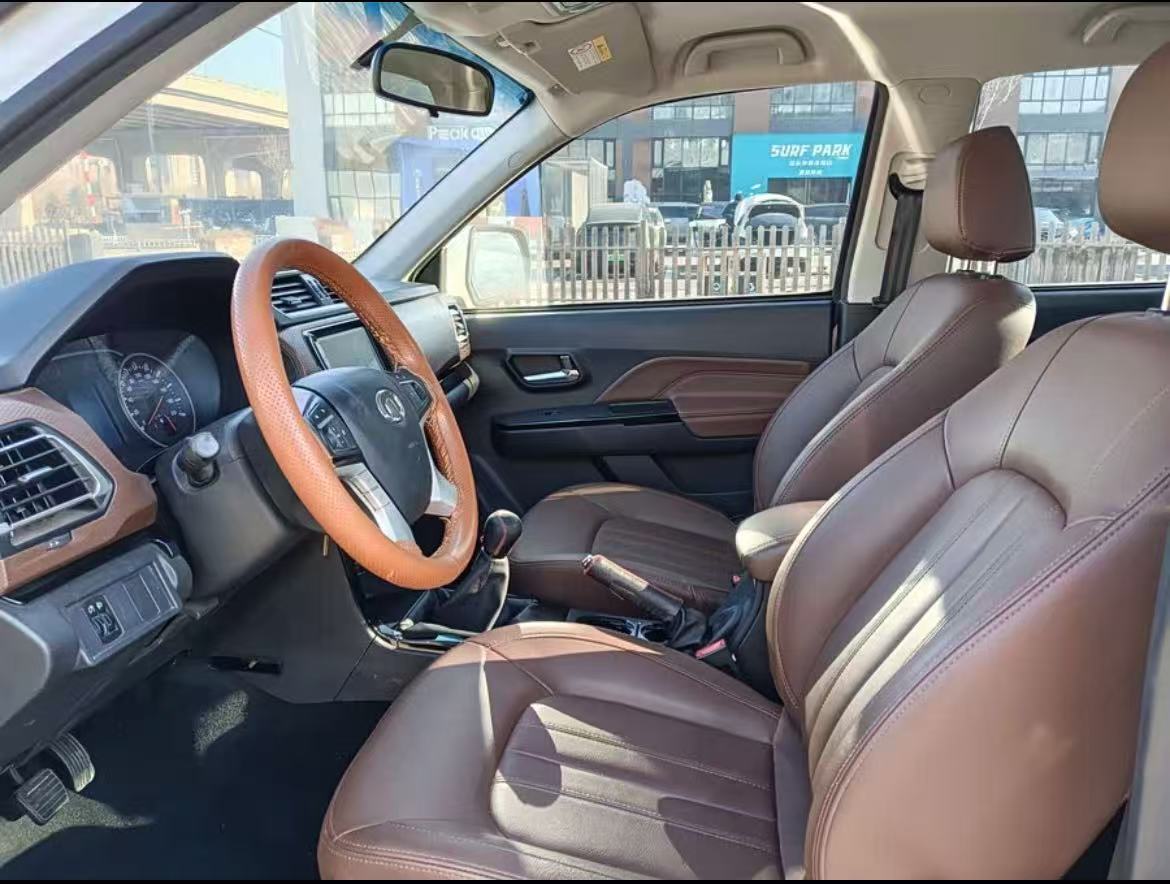
5. The Odometer
I’ll be honest — rolled-back odometers are common. A 2016 Wingle 5 showing 60,000 km? Realistically, it’s probably closer to 150,000. Look at the steering wheel wear. Look at the pedal rubbers. If those are worn smooth and the odometer says 60,000, something doesn’t add up. Use it as leverage on price.
Getting It to Africa — Shipping & Costs
Pickups are smaller than heavy trucks, which means more shipping options.
Container (20ft): One pickup per container. Costs $800–$1,500. Safer — protected from weather and handling damage.
RORO: Driven onto the ship. $600–$1,200, usually cheaper. Faster loading. But the truck sits exposed on the deck.
Typical transit:
- China → Lagos: 25–30 days ($900–$1,300 RORO)
- China → Mombasa: 22–28 days ($800–$1,200)
- China → Dar es Salaam: 25–30 days ($900–$1,400)
- China → Tema, Ghana: 30–35 days ($1,000–$1,500)
Real Numbers: What You’ll Actually Pay
Let’s use a real example — 2019 Wingle 7, shipped to Mombasa, Kenya:
| Item | Cost (USD) |
|---|---|
| Truck price CIF (includes freight) | $11,500 |
| Port clearance + agent fees | $400–$800 |
| Import duty (varies, 25–35% of CIF) | ~$2,900–$4,000 |
| Local transport to your city | $200–$500 |
| The total you’ll spend | ~$15,000–$17,000 |
A 2019 Hilux in similar condition lands around $22,000+. You save $5,000–$7,000 going with the Great Wall. That’s a big difference.
Check current pricing on other truck types for comparison.
How the Great Wall Compares to Other Chinese Pickups
| Factor | Great Wall | Foton Tunland | JAC T6/T8 |
|---|---|---|---|
| Parts in Africa | Excellent | Good | Moderate |
| Resale value | Good | Fair | Fair |
| Build quality | Above average | Average | Average |
| After-sales support | Strong dealer network | Limited | Growing |
| Price range | Mid | Lower | Mid |
Foton is cheaper upfront, but you’ll struggle to sell it later. JAC is improving but still catching up on parts. The Great Wall sits in a good middle ground — not the cheapest, but the easiest to live with long-term.
Where Should You Buy From?
Two routes, and they’re not equal:
Marketplaces (Alibaba, TradeFord): Huge selection, but you’re guessing. Middlemen list trucks they don’t own. Prices look great until hidden costs appear. Inspection is your problem.
A dedicated exporter: Trucks are physically inspected before they’re listed. You get a video. One person to deal with. We tell you the real condition, not what you want to hear.
Most of the buyers I’ve seen get burned went with the marketplace because the price was $1,000 less. They paid way more than that in repairs later.
FAQ
Are Great Wall pickups reliable?
Yes — if they’ve been maintained. The GW4D20 engine is proven; it’s in millions of vehicles in China. Buy one with service history and check the weak points I listed above.
What’s the real fuel consumption?
Diesel Wingle models: 7–9 L/100km highway, 10–12 L/100km city. The Poer is a bit thirstier at 8–11 L/100km. Not bad for a pickup.
How long do they last?
200,000–300,000 km with proper maintenance. The Wingle 5 is the toughest of the older ones. The Poer is too new to say for certain, but early signs are positive.
Can I get parts locally?
Yes. Stocked in Lagos, Accra, Nairobi, Dar es Salaam, Lusaka, and Johannesburg. For anything not available locally, we can ship from China in 7–10 days.
Can I see the truck before paying?
Yes — live WhatsApp video. We walk around, start the engine, and check the chassis and cabin. You see the exact truck you’re buying.
What documents do I get?
Bill of Lading, commercial invoice, packing list, certificate of origin, vehicle title, export certificate. We also help with country-specific requirements like SONCAP for Nigeria.
Ready to Find Your Great Wall Pickup?
We’re in Shijiazhuang — about 150 km from the Great Wall’s headquarters in Baoding. We see these trucks every day. Right now, we have Wingle 5s, Wingle 7s, and Poers in our yard with real photos and real prices. No games.
→ WhatsApp: +8615717687720
→ Email: [email protected]
→ Website: hebeicar.com
→ TikTok: @usedtrucksexport — real truck videos, not stock footage